
A World on Two Fronts: How 2026's Conflicts Are Reshaping Global Energy
From the rivers of the Donbas to the Strait of Hormuz, two wars are now pulling on the same lever: energy. A wider look at how simultaneous conflicts are rewiring the global economy.
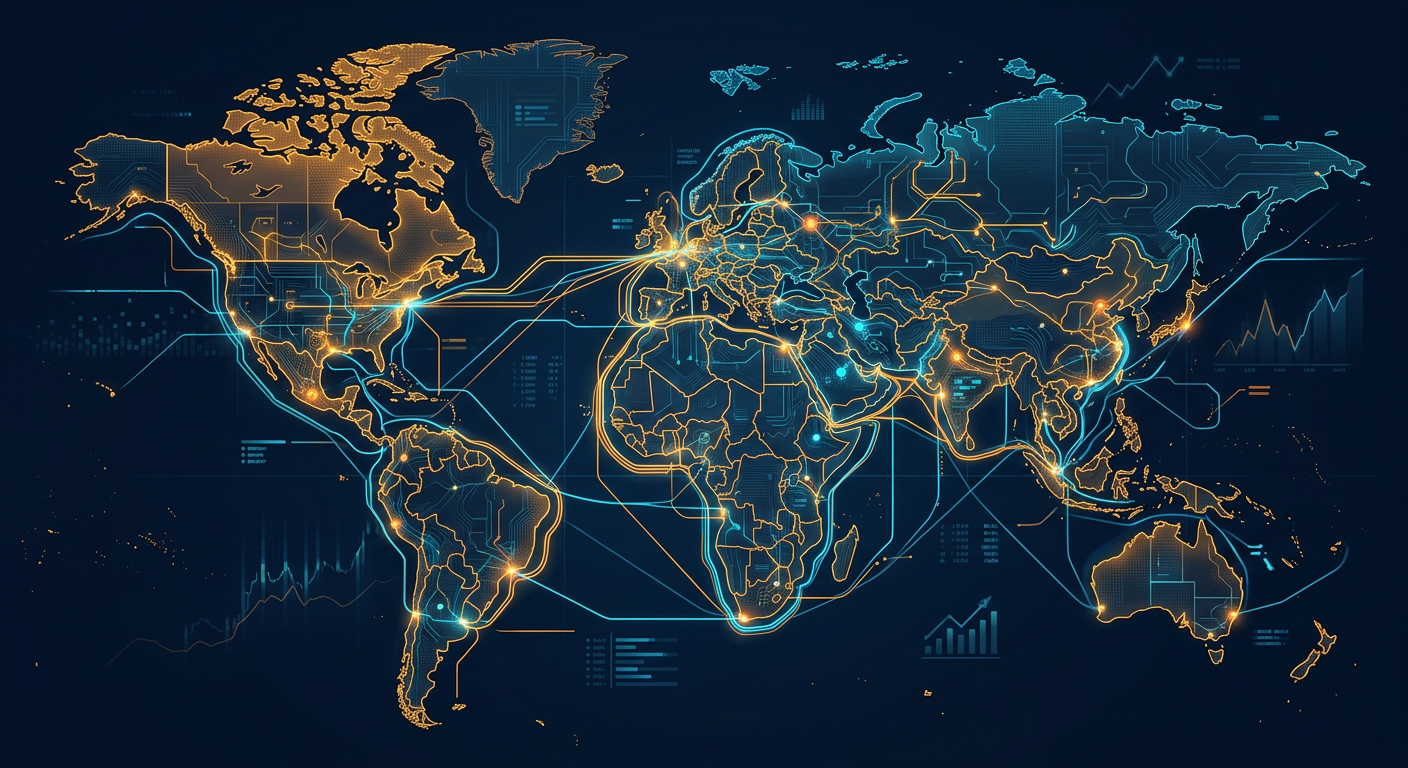
It is unusual for two major conflicts to run at full intensity at the same time. It is rarer still for both to converge on a single variable. In 2026, that variable is energy.
Two wars, one lever
In Eastern Europe, Ukraine's drones are burning Russian refineries while Russia's missiles target Ukrainian power and telecoms. In the Gulf, the fate of a 33-kilometre strait sets the price of a fifth of the world's oil. Different theatres, different combatants — but the same pressure point.
The new map of risk
For a decade, energy policy treated supply as a logistics problem: build the pipeline, sign the contract, move the barrel. The events of this year have reintroduced an older idea — that energy is a strategic good whose price is set as much by fear as by fundamentals.
- Refineries are now front-line targets. Strikes on processing capacity, not just extraction, mean disruptions ripple straight into fuel markets.
- Insurance is the real battlefield. When underwriters flinch, cargoes stop — no shot required.
- Infrastructure is the target of choice. Data centres, grids, and telecom nodes have become as strategically valuable as ammunition depots.
Who absorbs the shock
The burden of energy volatility is not shared evenly. Import-dependent economies — many of them in the developing world — feel every spike first and hardest, through fuel, fertiliser, and food. The politics of a distant war arrive at the petrol pump within weeks.
Energy is where geopolitics stops being abstract and starts being a number on a receipt.
A more fragile equilibrium
None of this means catastrophe is inevitable. Markets are adaptable, and strategic reserves, alternative routes, and demand shifts all cushion the blow. But the comfortable assumption of the 2010s — that energy would be cheap, abundant, and apolitical — is gone. In 2026, the two great conflicts of the moment have made one thing clear: the world's wars and the world's economy now share the same nervous system.
Related reading
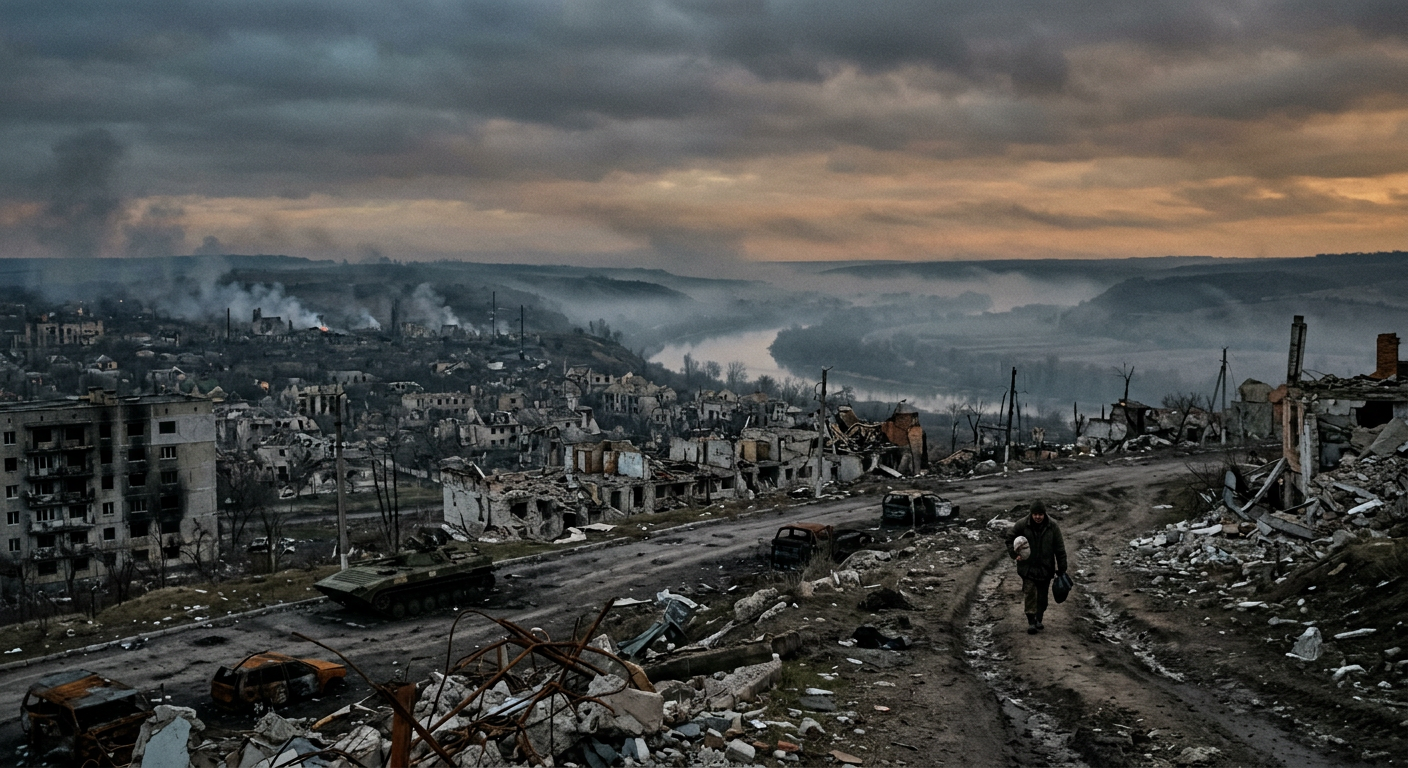
Operation Vivaldi: Inside Ukraine's Autumn Counteroffensive
Ukraine's Operation Vivaldi has pushed Russian forces back from the Donbas fortress belt toward the Zherebets and Siverskyi Donets rivers. A look at what the manoeuvre means on the ground and in the wider war.
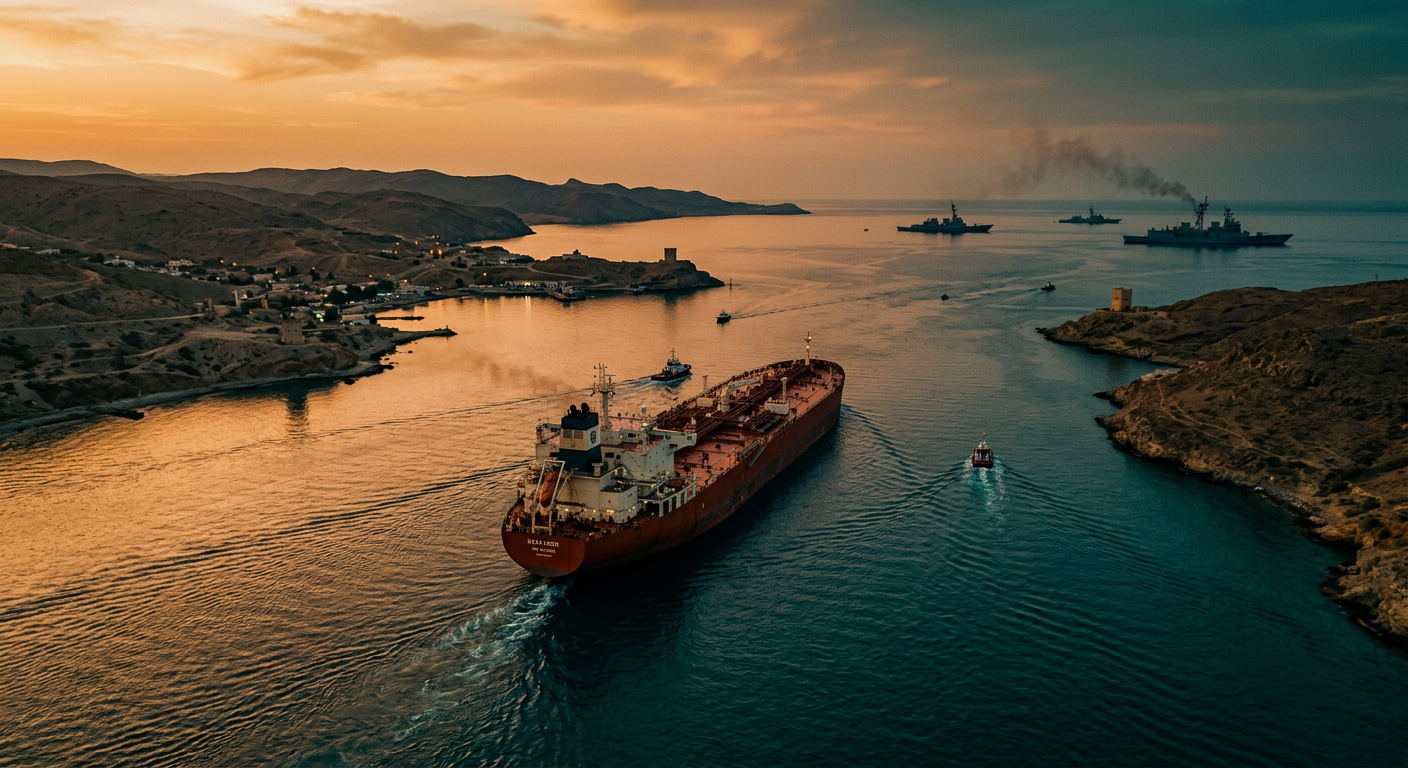
The Strait of Hormuz Standoff: Oil, Sanctions, and a Rejected Roadmap
Iran has floated a seven-day roadmap to reopen the Strait of Hormuz and pause hostilities in exchange for sanctions relief. Washington has said no. Here is what is at stake in the world's most important oil chokepoint.